Storage During Home Renovation: A Practical Guide
10 Sep 2026
News
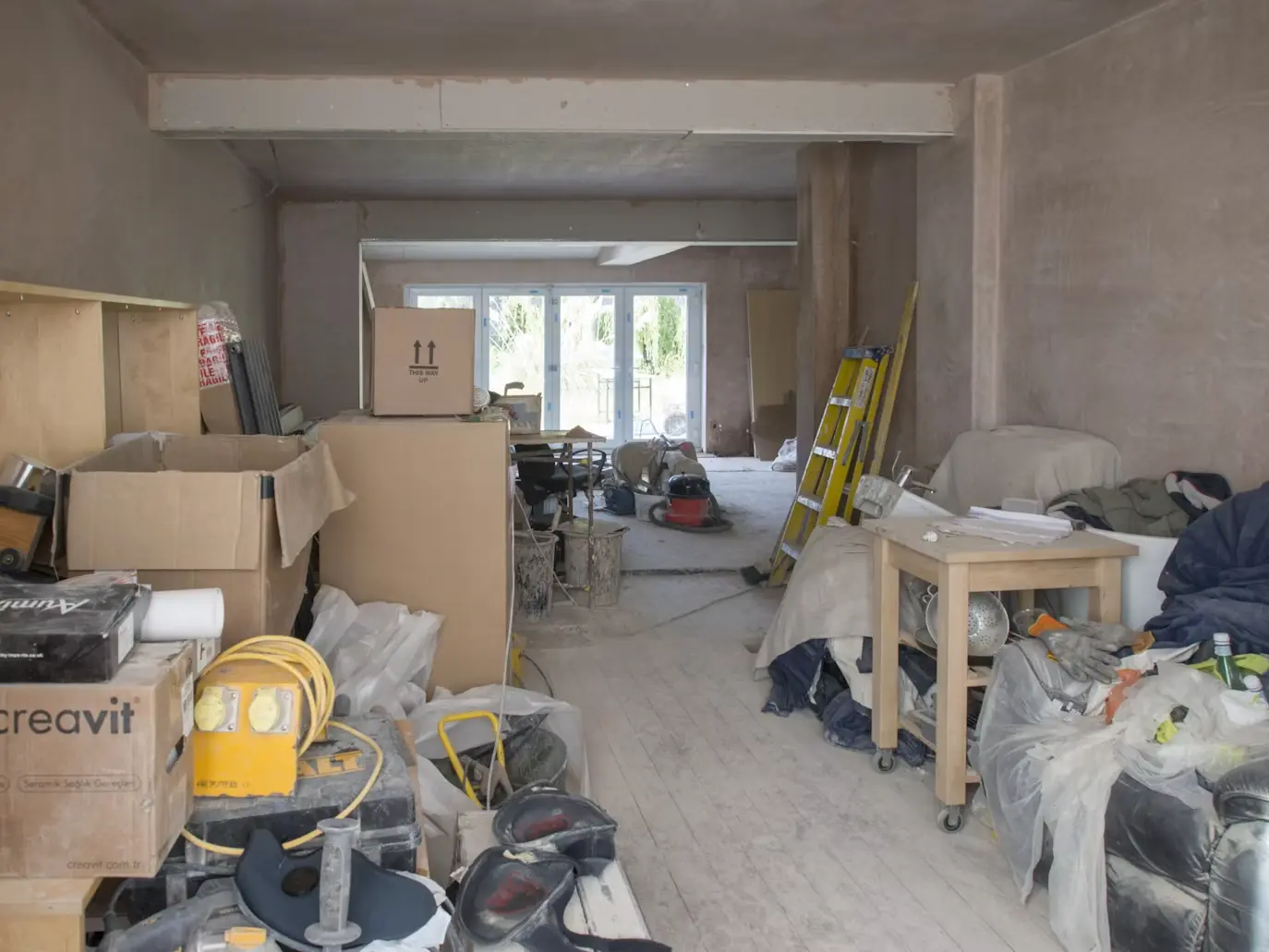
Storage during home renovation is worth considering when furniture blocks the work, valuable items could be damaged, or there is no clean room left to move them into. For small projects, a spare room may be enough. For an entire house refurbishment, professional removals storage or a self-storage unit can give you more space without constantly moving furniture between rooms.
This guide is for homeowners planning home improvements, from bathroom renovations to a loft conversion. It compares storage options, explains what to pack and what to keep accessible, and sets out the checks to make before booking.
When is storage during home renovation worthwhile?
Start with the work area and the route contractors will use. Even work in one room may mean carrying building materials and heavy tools through the rest of the house. Clear those routes before work begins, not after the first delivery arrives.
External storage is a practical choice when you cannot separate possessions from building work. Construction dust can settle into upholstered furniture, while paint splashes and accidental knocks can damage furniture finishes. Moving vulnerable pieces out reduces their exposure, though packing and transport still need care.
Keeping rooms clear also gives tradespeople space to work efficiently. It avoids using valuable space for piles of boxes that must be shifted at every stage of the renovation process.
For light decorating, suitable dust sheets may be enough to protect furniture that stays in the house. They are not a substitute for removing fragile or valuable pieces from a busy work zone. Discuss dust containment and safe access with your contractor.
Compare your renovation storage options
The right storage option depends on who will pack, how often you need access and whether your home renovation affects a few rooms or the whole property. These storage solutions offer different levels of help.
Professional removals storage
A removals company can arrange packing, collection, storage and redelivery as one service. This suits larger home improvements, heavy furniture and households that do not want to organise transport themselves. Confirm exactly which services are included in the written quote.
Abels Moving Services offers professionally managed storage, with packing support and climate-controlled facilities. Discuss the items involved, your renovation dates and any retrieval needs with the team. Do not assume managed storage has the same walk-in access as self storage.
Self storage
With self storage, you usually pack and transport your own possessions, then rent a storage unit. A personal storage unit can work well if you need frequent access and are comfortable handling the move yourself.
Check the self-storage facility’s opening hours, security, loading arrangements and restrictions. Some self-storage services offer extended hours or drive-up access; others involve lifts, corridors or booking requirements. Choose convenient access that matches what you will actually need during the renovation.
For a long home renovation requiring full clearance, a self-storage unit may be suitable, but compare the handling involved with a managed service. Ask whether packing or collection is available separately.
Portable and container storage
Portable storage containers are delivered for loading at your property. Depending on the service, they remain on site or are collected and taken to a storage facility. On-site container storage gives easy access, but needs suitable ground, delivery clearance and enough room without blocking contractors.
Check placement requirements and any permissions before ordering storage containers. Ask about weather protection, condensation and security. Container storage is not automatically climate controlled, and storage containers kept at a depot may have different access terms from those beside your house.
Keeping items in a spare room
A rarely used room away from the work can provide temporary storage without a separate rental bill. It may suit small projects, provided doors close properly and routes remain clear. Avoid filling a room so tightly that you cannot safely reach what you need.
Do not assume a garage, attic or basement is suitable just because it is empty. Check for damp, leaks and temperature changes before you store items there. These conditions matter particularly for wood, textiles and electronics.
| Storage option | Packing and transport | Access to check | Best suited to |
|---|---|---|---|
| Managed removals storage | Company arranges the agreed services | Retrieval notice, charges and redelivery | Major renovations and professional handling |
| Self storage | Usually arranged by you | Hours, unit location and loading access | Households needing regular access |
| Portable container storage | You load, unless help is booked | Placement, collection and depot access | Properties with suitable external space |
| Storage at home | You move items within the house | Clear paths and separation from work | Limited home improvements with a dry, unused room |
What should you store and what should stay?
Sort possessions into three groups: keep accessible, put into storage, and no longer needed. Decluttering before packing reduces the volume to move. Keep essential personal items, documents, medication and everyday equipment with you.
Create a small staging area in a separate room for daily essentials. Clear plastic boxes make frequently used items easier to find; label them even when you can see inside. If you stay with a family member during renovation work, take this essentials kit with you.
Remove wall art, ornaments and sentimental items from the work area before contractors arrive. Arrange specialist advice for art and antique storage rather than treating delicate pieces like ordinary household goods.
| Room | Consider storing | Keep accessible | Preparation |
|---|---|---|---|
| Kitchen | Spare appliances, dining furniture and unused crockery | Basic cooking equipment, food and cleaning supplies | Empty, clean and thoroughly dry appliances; cushion breakables |
| Bathroom | Mirrors, decorations and removable furniture | Toiletries, towels and daily care items | Protect mirrors and keep electrical items away from the work |
| Bedrooms | Unused beds, seasonal clothing and ornaments | Everyday clothes, bedding and children’s essentials | Label clothes by owner and protect mattresses with suitable covers |
| Hallways | Console tables, pictures and surplus coats | Daily shoes, coats and necessary lighting | Keep entrances, stairs and escape routes clear |
| Living room | Sofas, rugs, artwork and unused electronics | Seating and equipment needed in the occupied part of the house | Label cables; arrange specialist handling for antiques and pianos |
How to pack and protect furniture for storage
Good preparation helps keep belongings safe through collection, storage and return. Agree who is packing each item before the move so nothing is left unprotected on collection day.
Clean, dry and cover furniture
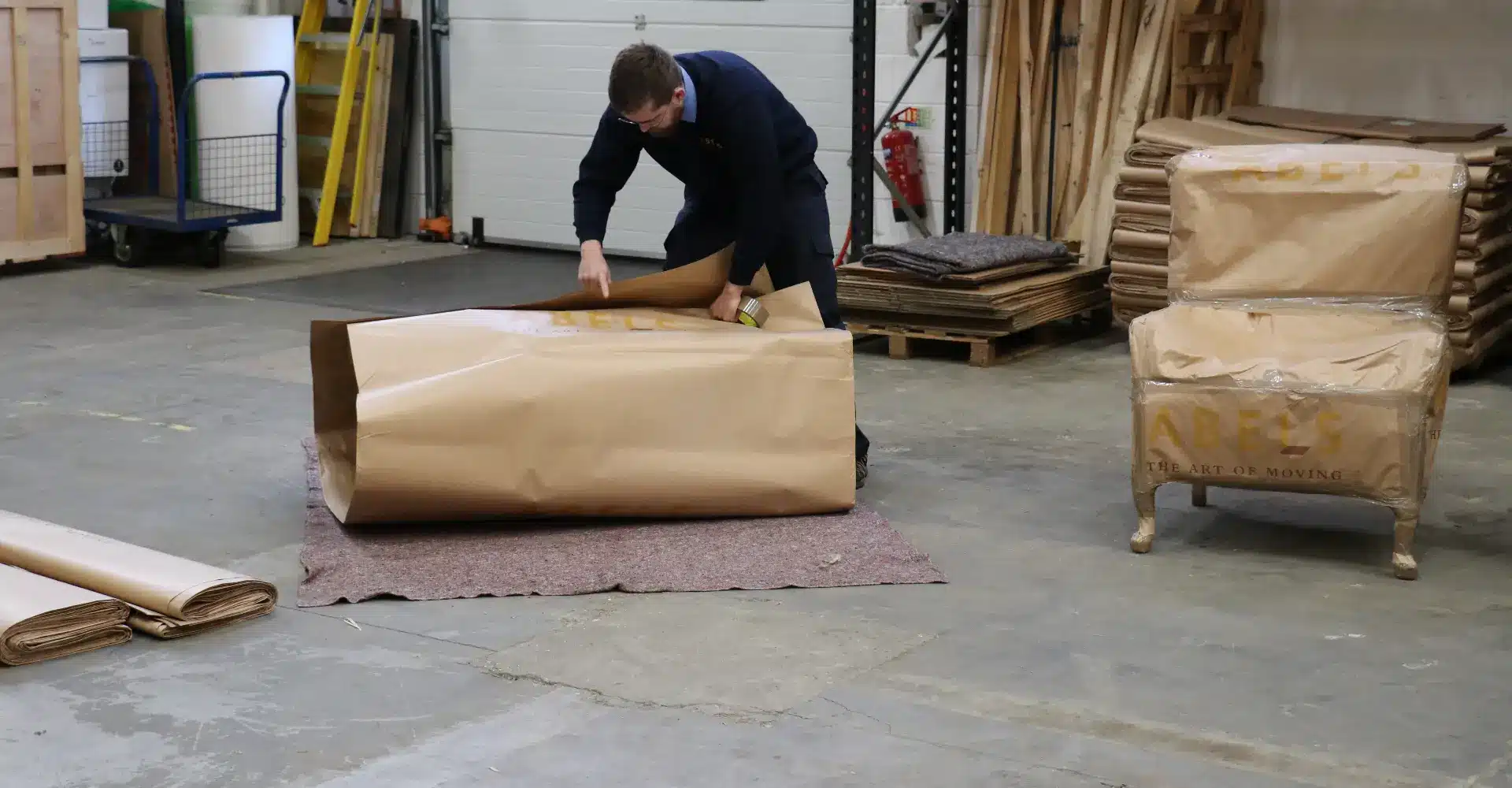
Clean furniture and let it dry fully before wrapping. Use suitable furniture covers and moving blankets to help prevent scratches during handling. Avoid wrapping damp items in plastic sheeting or ordinary plastic bags, which can trap moisture.
Construction dust contains fine particles that are difficult to remove from fabric. Keep upholstered furniture out of dusty rooms where possible. Ask your packing team which protection suits each material rather than using the same covering for everything.
If items remain at home, keep them away from wet work and paint splashes. Fresh plaster and other drying materials can add moisture to a room; ask the contractor when conditions are suitable before returning sensitive furniture.
Pack artwork, electronics and clothing separately
Wrap picture frames and wall art with appropriate protective materials, including corner protection where needed. Do not place wrapping against a delicate painted surface without specialist advice. Abels can discuss specialist storage and packing requirements for pieces needing extra care.
Pack electronic devices in sturdy boxes with suitable cushioning. Use original packaging if available, photograph connections before unplugging and label the cables. Do not put heavy boxes on top of screens.
Pack clean, dry clothes in labelled boxes or wardrobe cartons. Add the owner’s name and contents to each label. Vacuum bags can save space for suitable everyday clothing, but avoid compressing delicate garments and follow their care guidance.
Make an inventory and plan retrieval
Number each box and record its contents and destination room. Photograph valuable pieces and their condition. Keep a copy of the inventory outside the storage unit so you can request the right box without searching through everything.
In self storage, put items you may need near the front and leave safe access where permitted. Follow stacking guidance, keeping heavier boxes below lighter ones. Ask the provider about shelving or suitable raised supports rather than placing vulnerable items directly on a potentially damp floor.
What to check before booking storage
How much space will you need?
Measure large pieces and list boxes, including items that cannot be stacked. A storage unit’s floor area alone does not show whether your furniture will fit safely. Door dimensions, packing and access aisles also affect usable storage space.
Ask for a volume assessment if you are unsure. Compare self storage sizes against your actual inventory, not a promise that a particular container fits a set number of rooms. Furniture sizes and packing needs vary between households.
Compare the complete cost
Request itemised quotes for storage during home renovation from more than one storage company. Compare the same volume, duration and level of service. A self-storage rental price is not directly comparable to a quote that includes professional packing and transport.
Check packing materials, collection, handling, retrieval, redelivery, VAT and any insurance charges. Ask about minimum hire periods, extension rates and notice to finish. Keep the written terms with your renovation budget; there is no single monthly price that applies to every home renovation.
Check access, climate control and restrictions
Some self storage facilities offer a climate-controlled unit, but availability and environmental controls vary. Ask what is controlled and monitored, especially for wood, artwork or other sensitive possessions. Abels’ furniture storage service is another option to discuss when professional handling matters.
Confirm how you can retrieve items stored off site, how much notice is needed and whether charges apply. Tell the provider if you need access during the renovation process rather than assuming every storage facility operates like self storage.
Read the prohibited-items list before packing. Keep food, fuels, paints and other restricted materials out unless the provider expressly allows them. Ask what cover applies in transit and in storage, including limits, exclusions and your responsibilities when packing yourself.
Your renovation storage timeline
Before the building work starts
Agree a provisional programme with your contractor, then book collection with time to clear the work area. Arrange packing, complete your inventory and set aside everyday essentials. Check parking and access at the house for the collection team.
Choose flexible storage terms where possible. If renovation timelines slip, you need to know how to extend the booking and what it costs. Agree notice requirements in advance rather than treating the contractor’s target date as a guaranteed finish.
While the renovation is underway
Review progress before arranging redelivery. Keep your provider informed of changes and check availability when the end date becomes clearer. For phased home renovation, ask whether selected items can return first and whether additional handling charges apply.
Keep the essentials area usable and avoid bringing boxes back simply because a room looks finished. Dusty follow-on work can undo the benefit of moving possessions out.
After the work is complete
Confirm with your contractor that rooms are clean, dry and ready, including any required drying or curing time. Clear delivery routes and decide where furniture will go before the team arrives.
Check returned items against the inventory and condition photographs. Report concerns promptly under the agreed terms. Unpack essentials first, then the remaining boxes room by room.
Plan storage during home renovation with Abels
For homeowners who want packing, collection and return coordinated around the works, Abels can help plan short-term storage. Explain the scope of your home renovation, the furniture involved and any specialist pieces or access needs.
Ask Abels for a tailored storage quote before booking the move. Agree the services and timing in writing so your storage arrangements fit the renovation, not the other way round.
Frequently asked questions
Do I need storage for bathroom renovations?
How long will I need temporary storage?
Can I access my belongings while they are stored?
Is furniture automatically insured in storage?
Your Next Step Starts Here
Get in touch with us in the way that's best for you, or complete the form below – we'll reach out with a customized moving proposal
 +44 1842 816600
Start your journey with Abels
A seamless experience awaits — simply leave your details, and we’ll be in touch shortly or at your convenience